
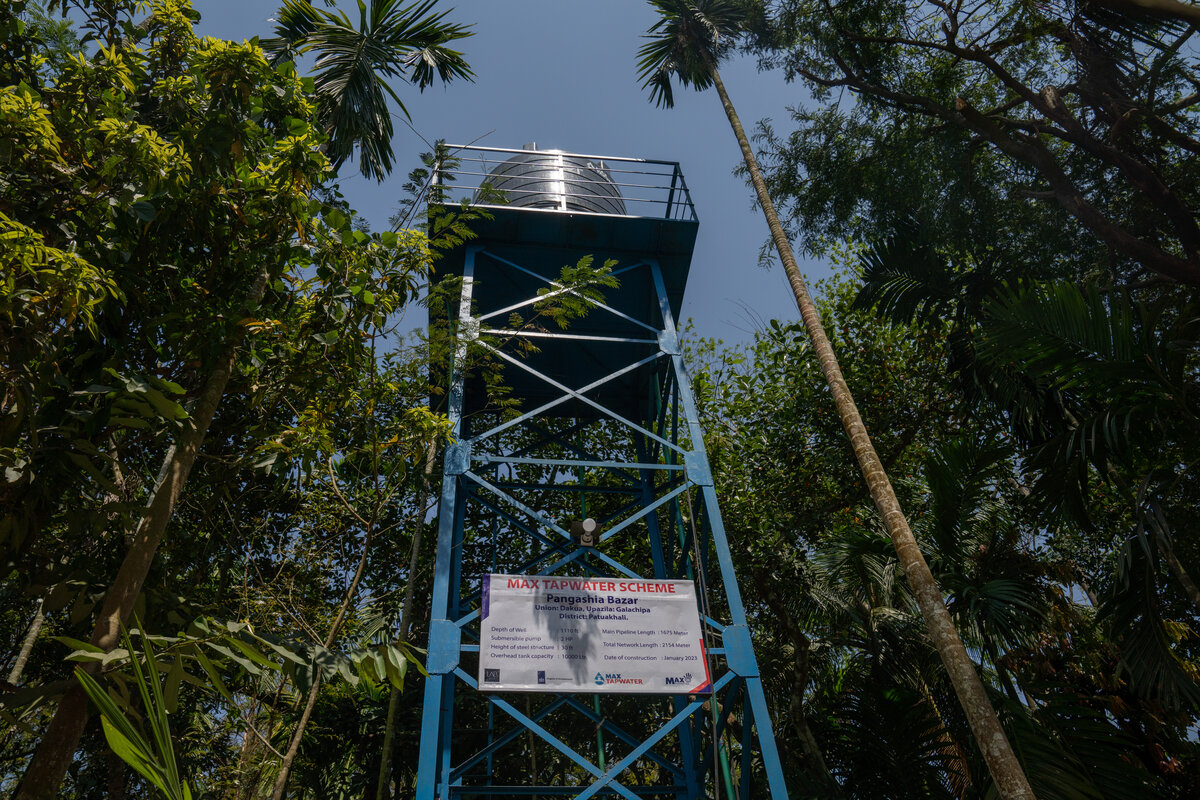
Scaling Safely Managed Water through Pipe Water Schemes
Safely managed water is not just a service — it is infrastructure that communities can own, operate, and sustain. Across 7 projects, Max Foundation has constructed 133 piped water grids, connecting 7,498 households to reliable, safe water delivered directly to their doorstep.
Grid Construction by Project
Each project has contributed to expanding piped water coverage, from small-scale pilots to the transformative 100-grid Building Water Business (BWB) initiative.
| Project | Grids Constructed | Households Connected |
|---|---|---|
| Building Water Business | 100 | 5,387 |
| Max WASH in Urban Slums | 17 | 594 |
| Small Scale Pipe Water Scheme | 6 | 306 |
| Max Water Supply & Sanitation Services | 6 | 1,024 |
| Max Value for WASH | 2 | 149 |
| Max Value for Stunting Free Village | 2 | 38 |
| Total | 133 | 7,498 |
Spotlight: Building Water Business (BWB)
BWB Project Deep Dive
The Building Water Business project represents Max Foundation's most ambitious water infrastructure initiative. With 100 operational grids serving over 21,000 people, BWB demonstrates that community-managed piped water systems can achieve both scale and financial sustainability.
Financial Performance
Community ownership extends to financial management. BWB's piped water schemes have generated significant revenue for ongoing operations and maintenance:
- €71,633 in connection fee revenue
- €158,606 in tariff revenue
- €230,239 total revenue generated
The 91% tariff collection rate demonstrates household willingness to pay for reliable service — a critical indicator of long-term sustainability. When communities value a service enough to pay for it consistently, the infrastructure sustains itself.
Operational Excellence
With 2,954 household-level water meters installed across the 100 grids, families pay only for what they use. This consumption-based model ensures equity and encourages conservation while generating predictable revenue for system maintenance.
The 5% average grid downtime — equivalent to approximately 18 days per year — reflects well-maintained infrastructure and responsive community management. Each of the 100 trained operators manages their grid with minimal external support, demonstrating genuine local capacity.
From Pilot to Scale
The progression across projects tells a clear story. Early pilots under Max Value for WASH (2 grids) and Max Value for Stunting Free Village (2 grids) proved the model. Mid-scale deployment through Max WASH in Urban Slums (17 grids) refined operational approaches. And BWB's 100 grids demonstrate full-scale replication.
Key lessons driving this scale-up:
- Community ownership from day one — management committees formed during the construction phase, not after handover
- Metered connections for equity — consumption-based billing ensures fair pricing and encourages conservation
- Local operator training — each grid managed by a community-selected, professionally trained operator
- Transparent financials — published tariffs and open accounting build trust and accountability
What This Means
Every one of these 133 grids represents a community that no longer depends on shallow tubewells, arsenic-contaminated groundwater, or long walks to collect water. With 7,498 household connections and growing, piped water schemes are proving to be one of the most effective pathways to safely managed water at scale in rural and peri-urban Bangladesh.
Related Stories
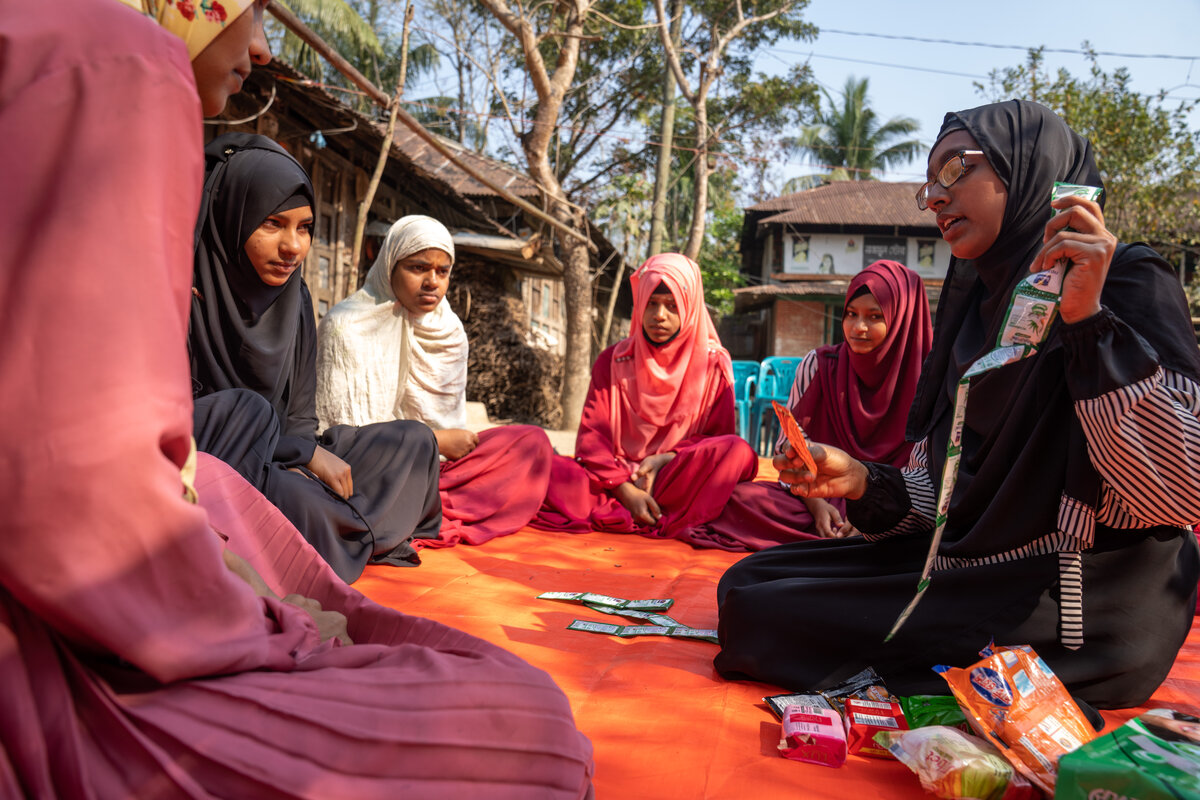
1,122 Entrepreneurs Powering Community Health Across Bangladesh
Max Foundation has catalysed 1,122 health and WASH entrepreneurs across 4 business models — Health Promotion Agents, Sanitation Entrepreneurs, Cleaning Entrepreneurs, and Plumbers. With 73% extending their product lines and a combined average serving hundreds of customers each, these local businesses are the infrastructure for sustained community health.
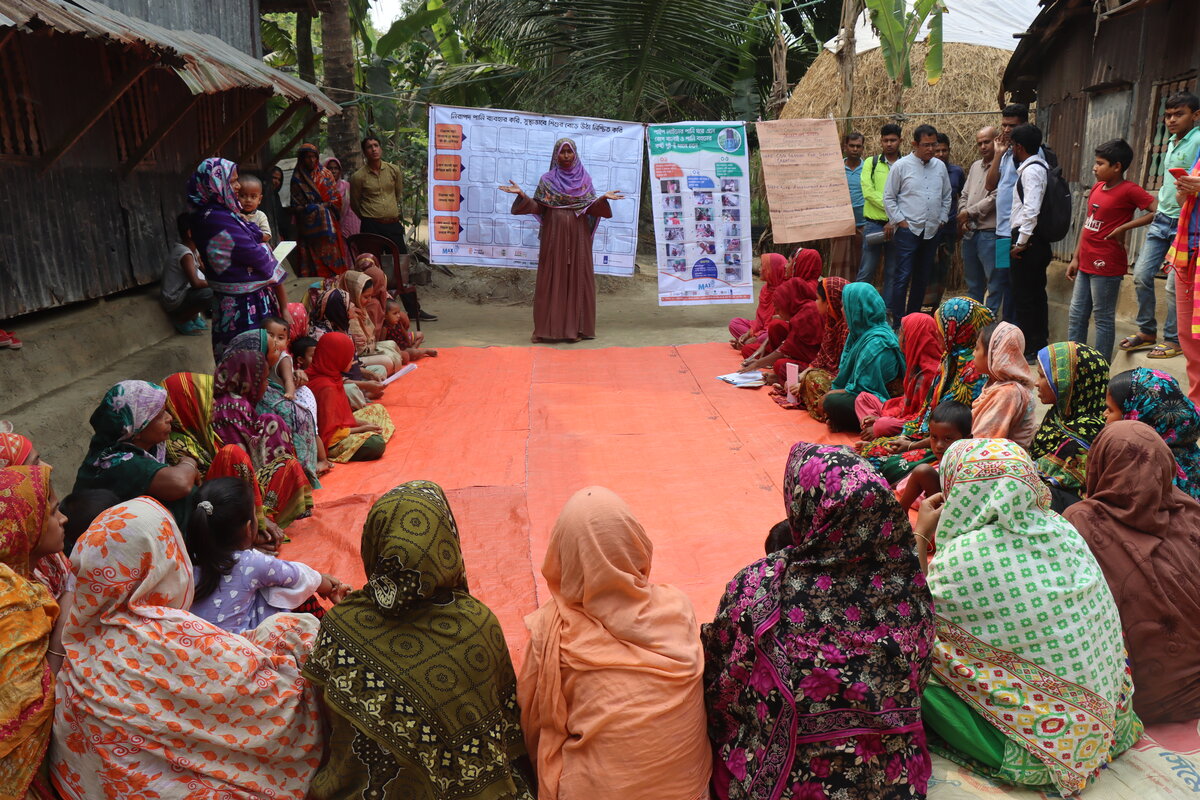
Reaching 2.1 million: From coverage to community transformation
Across 5 divisions, 16 districts, 32 upazilas, and 116 unions, Max Foundation's 9 major project/programmes have reached 2.1 million people with WASH and child health interventions — transforming 1,102 villages into declared Healthy Villages and moving 27,842 children out of stunting.