
Healthy Village: How an Integrated Community Model Is Reducing Child Stunting at Scale
Head of Programme Design and Quality
Every year, millions of children fail to reach their full physical and cognitive potential because of undernutrition. Stunting alone affects around one in five children globally. It weakens immune systems, limits learning, and reduces lifetime earnings. Once a child is stunted, the damage is often permanent.
Stunting is not caused by a single factor; rather, it results from repeated, everyday shortcomings such as unsafe drinking water, poor sanitation, inadequate diets, missed antenatal care, and unhygienic environments where children eat, crawl, and grow.
The Healthy Village (HV) model, pioneered in Bangladesh and now expanding across continents, offers a transformative alternative. It is not just another programme; it is an integrated systems approach that aligns with—and operationalises—the very multi-sectoral frameworks promoted by UNICEF and WHO, but with a decisive twist: community ownership driven by local entrepreneurship.
A Simple Idea with Big Implications
Children grow healthy when the entire village creates a healthy environment together.
Introduced in Bangladesh in 2014, the Healthy Village Model integrates water, sanitation and hygiene (WASH), food and nutrition, and maternal and child health into a single, community-led and business-driven approach. To date, more than 3,500 villages in Bangladesh and Nepal have enrolled in the Healthy Village process, of which 1,102 villages have been officially declared and certified as Healthy Villages by local governments.
The Core Innovation: Localisation and a Business-Driven Engine
What truly differentiates Healthy Village from top-down programmes is its dual engine of social recognition and market sustainability.
Localised Governance & Data: The model is embedded within local government systems (e.g., Union Parishads in Bangladesh, municipalities in Nepal, state government in Ethiopia). Communities use their own growth monitoring data to identify gaps and plan actions.
Local Entrepreneurs Bringing Health to Every Doorstep: Here lies the masterstroke. HV trains and empowers local Health Promotion Agents (HPAs), often women, to supply affordable, essential products—soap, sanitary latrines, water filters, fortified foods. This creates a sustainable, last-mile market for health.
Solves Access
Products are available at the doorstep.
Builds Local Economy
It generates income and empowers women, aligning with SDG 5 (Gender Equality) and SDG 8 (Decent Work).
Ensures Sustainability
The micro-business model continues long after project funding ends, breaking the cycle of donor dependence.
What makes Healthy Village distinctive is not only integration, but localisation. Global frameworks often struggle at the last mile, where policies must translate into daily behaviour. The Healthy Village model works precisely at this interface.
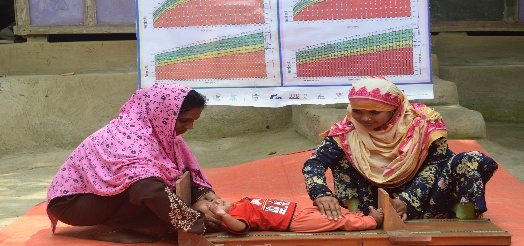 Participatory growth monitoring at household level
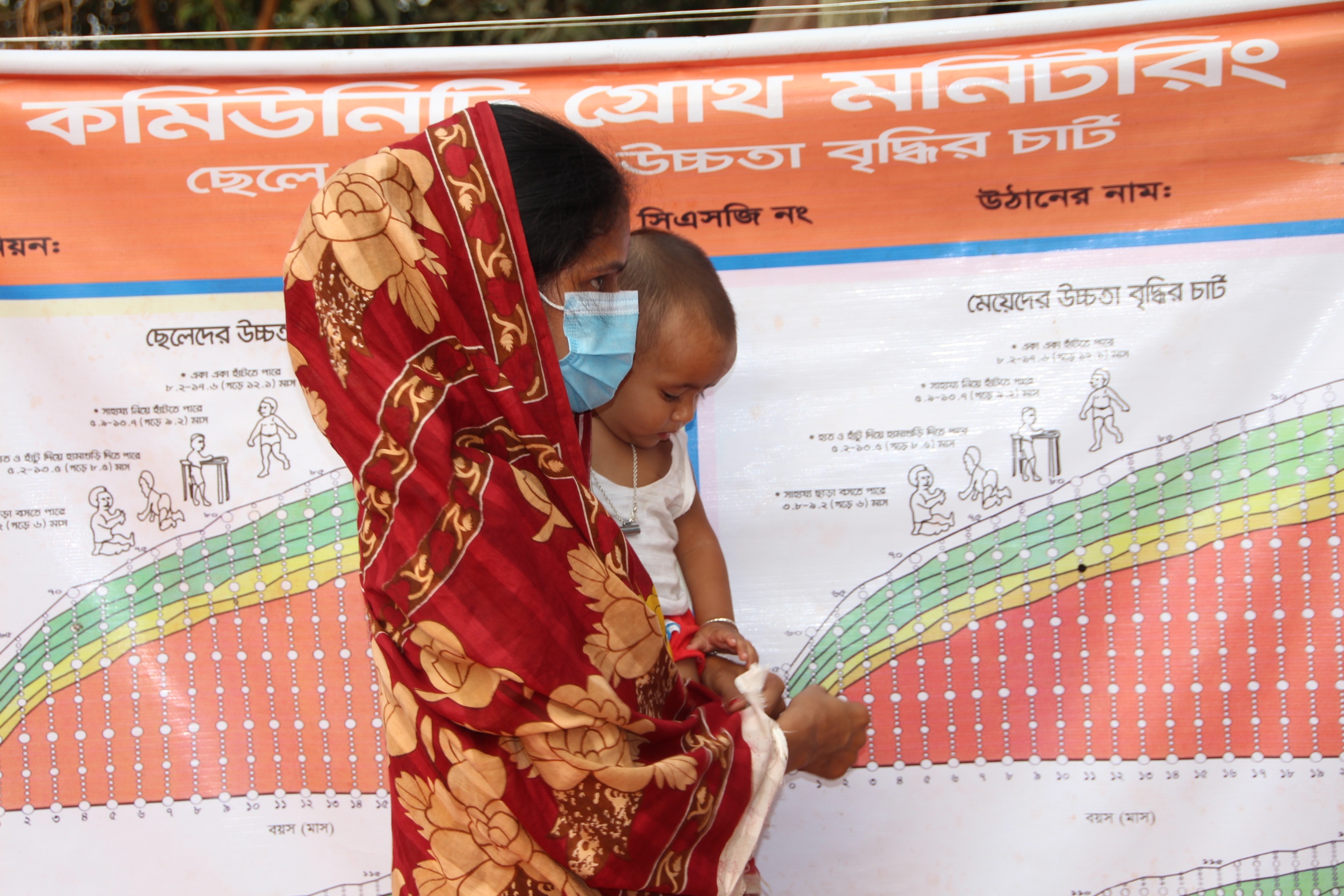
Communities begin with participatory assessments, including routine child growth monitoring and household-level tracking of agreed indicators across health, nutrition, and WASH. Data are not collected for reporting alone; they are used by communities themselves to identify gaps, prioritise actions, and track progress.
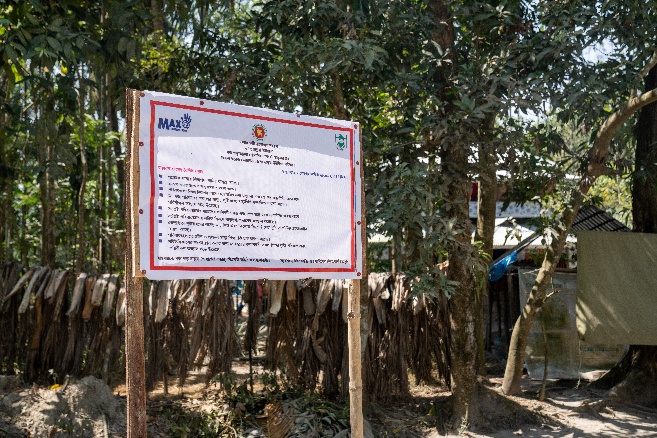
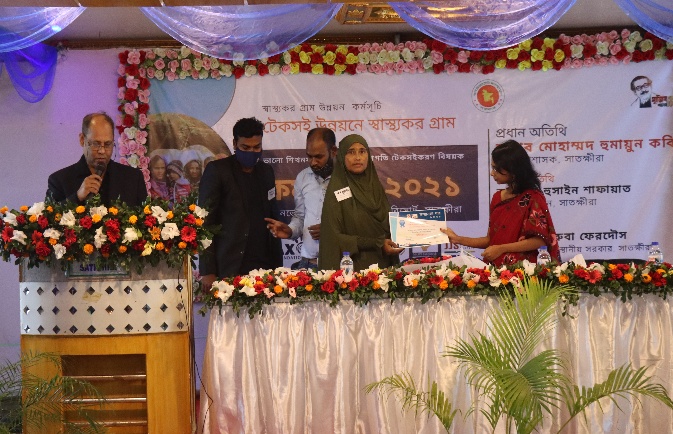
Healthy Village also introduces a collective incentive: villages work toward meeting clearly defined standards and are formally recognised by local government once the majority of households meet key indicators. This public recognition strengthens social norms, reinforces behaviour change, and promotes sustainability beyond project cycles.
Results That Demand Attention
Evidence is what turns a good idea into a serious policy option. In southern Bangladesh, a study by the Karolinska Institute of Sweden found that child stunting in Healthy Village areas fell from around 51 percent to 25 percent within three years. In some locations, reductions reached 50 percent. These gains were significantly faster than national trends and much stronger than single-sector programmes.
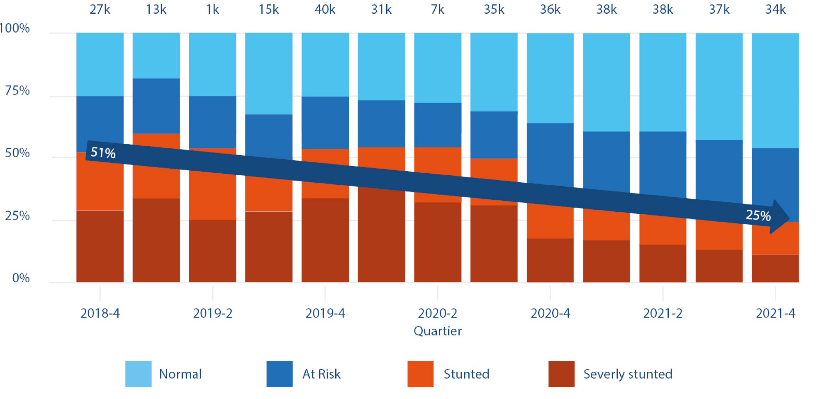
Importantly, the improvements were not limited to height alone. Communities also saw:
- Better weight-for-age and reduced wasting
- Improved dietary diversity for mothers and young children
- Increased use of toilets and handwashing facilities
- Reduced diarrhoeal disease
- Regular growth monitoring of children under five
Built Inside Government Systems, Not Beside Them
A key to this success is strategic partnership. The Healthy Village model avoids creating parallel systems. Instead, it strengthens public systems from within.
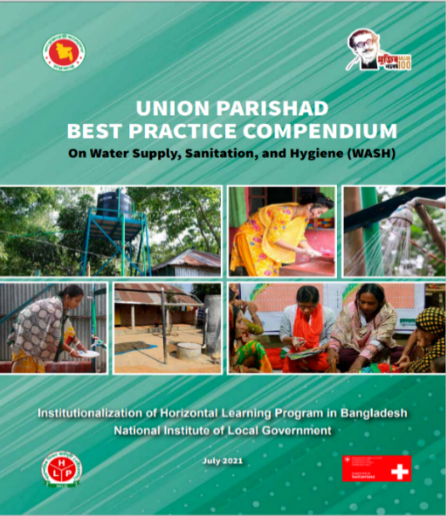
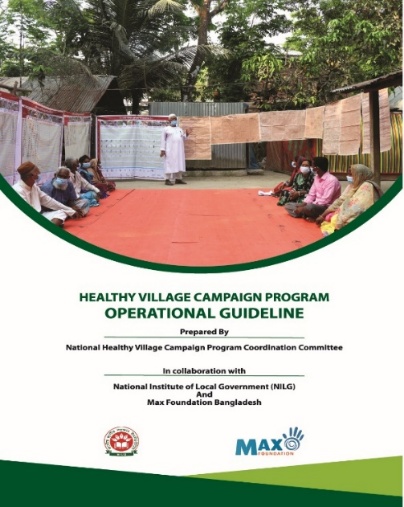
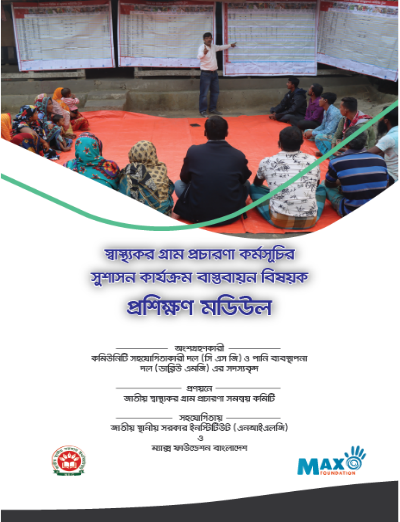
In Bangladesh, Max Foundation partnered with the National Institute of Local Government (NILG) and the Community Clinic Health Service Trust. Healthy Village operational guidelines and training modules were integrated into the government's own curricula for local elected officials. Union Parishads (local councils) now lead the planning and declaration process. This institutional anchoring turns a successful approach into a permanent part of local governance, ensuring sustainability far beyond any single donor cycle.
From Bangladesh to Ethiopia and Nepal
Success in Bangladesh sparked international interest.
In Ethiopia, the Healthy Village model was adapted to support national efforts under the Seqota Declaration, which aims to end child stunting by 2030. The core principles remained the same, but indicators and institutions were tailored to local systems. Community health workers and local entrepreneurs play central roles. Government of Ethiopia targeted to reach over 65 million people—that is half of the country—where Max Foundation will provide Technical Assistance to the government.
In Nepal, the model—known locally as Max Swastha Palika—was launched in 2025 in partnership with Jwalamukhi rural municipality under Dhading district. The programme is embedded in municipal planning, budgets, and ward-level health systems, with clear targets for reducing stunting, expanding healthy neighbourhoods, and developing local entrepreneurs.
These experiences show that Healthy Village is adaptive, not rigid. Contexts differ. Systems differ. But the core logic—healthy environments enable healthy children—remains universal.
The Road Ahead
The Healthy Village model presents a unique opportunity. It is a cost-effective, scalable, and government-aligned pathway to achieving Sustainable Development Goals 2 (Zero Hunger), 3 (Good Health), and 6 (Clean Water).
The call to action is clear:
For Governments
Integrate the Healthy Village framework into national nutrition and WASH strategies. Train extension workers, empower local governments, and allocate budgets for community-led certification processes.
For Donors & Philanthropies
Shift funding towards integrated, outcome-based models that build public systems and local markets. Support the replication and adaptation of proven approaches.
For the Private Sector
Partner to innovate and supply affordable, high-quality WASH and nutrition products for last-mile distribution through community entrepreneur networks.
Child stunting is a preventable tragedy. The Healthy Village model provides the blueprint, the proof, and the pathway. It shows that by starting with the child, empowering the village, and partnering with the state, we can build a world where every child has the healthy start they deserve. The journey from a single village to a healthy nation begins with a simple, powerful decision: to act together.
Related Stories
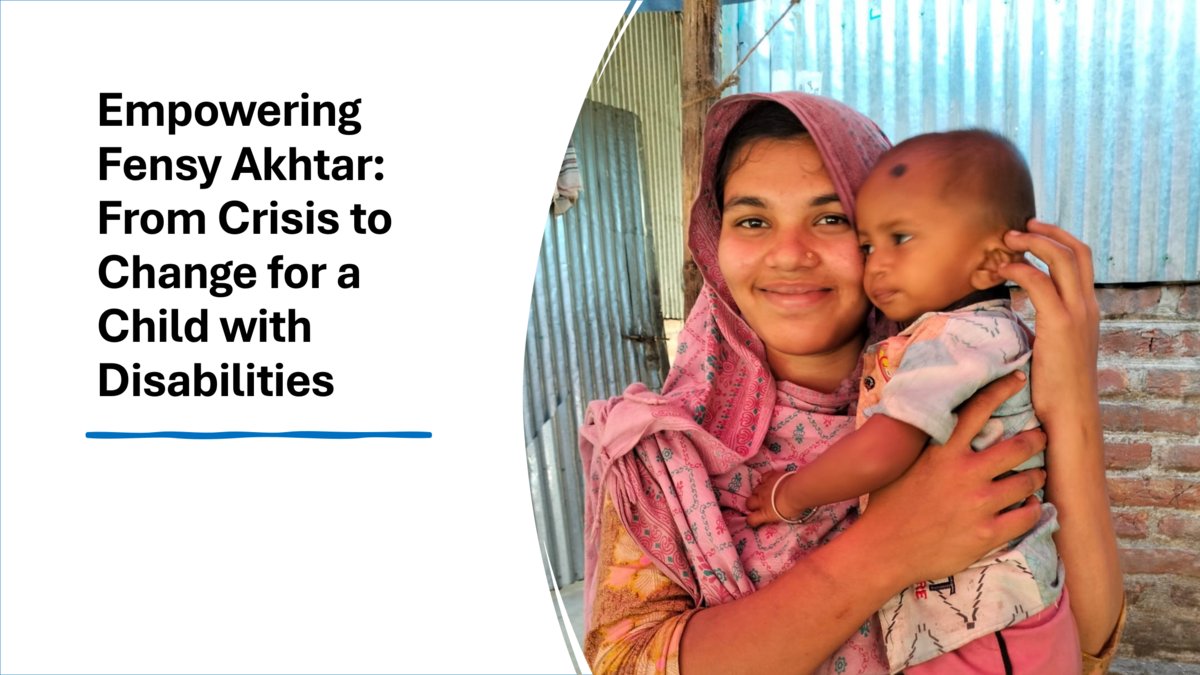
Breaking the Silence Around Disability and Malnutrition
In many rural communities of Bangladesh, illness and disability are often accepted as fate. The Healthy Village Urban programme is working to change exactly that reality.
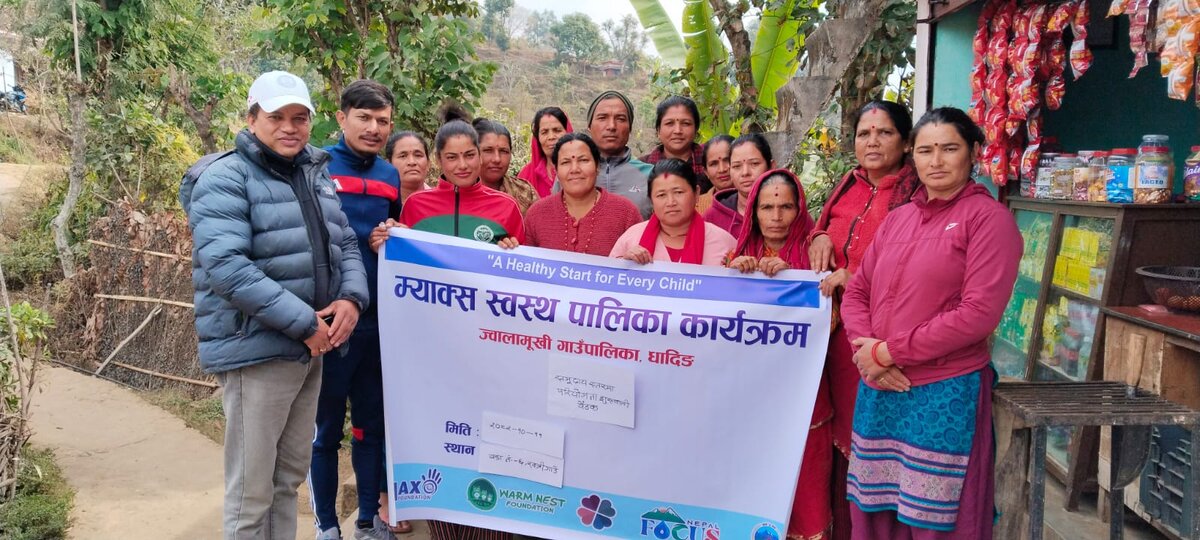
Max Swastha Palika: Advancing a Scalable, Municipality-Led Model to reduce child stunting in Nepal
The Max Swastha Palika programme strengthens municipal systems in Nepal to deliver integrated WASH, nutrition, and health services through community ownership, market-based solutions, and evidence for scale.