
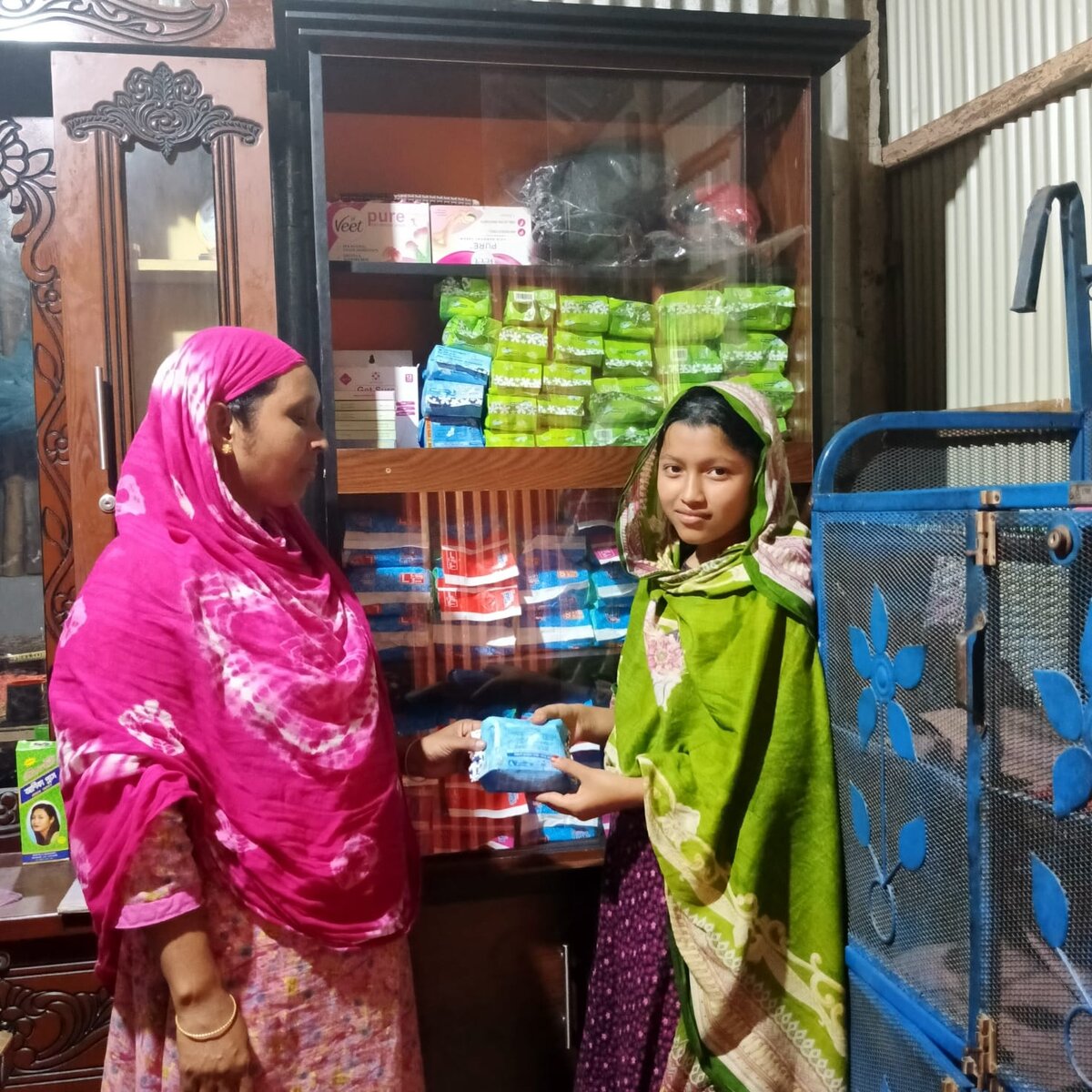
Beyond the Blueprint: The Entrepreneurship Lab Is Cultivating a Market Ecosystem for a Healthier Bangladesh
Across Bangladesh's dynamic economic landscape, a significant transformation is quietly unfolding. Its roots are not in the capital's towering office buildings, but in the rural communities where access to essential goods can mean the difference between sickness and health. Max Foundation has recognized that to solve complex problems like malnutrition and poor sanitation, you need to empower the people on the ground. That's the driving force behind their latest initiative: The Entrepreneurship Lab.
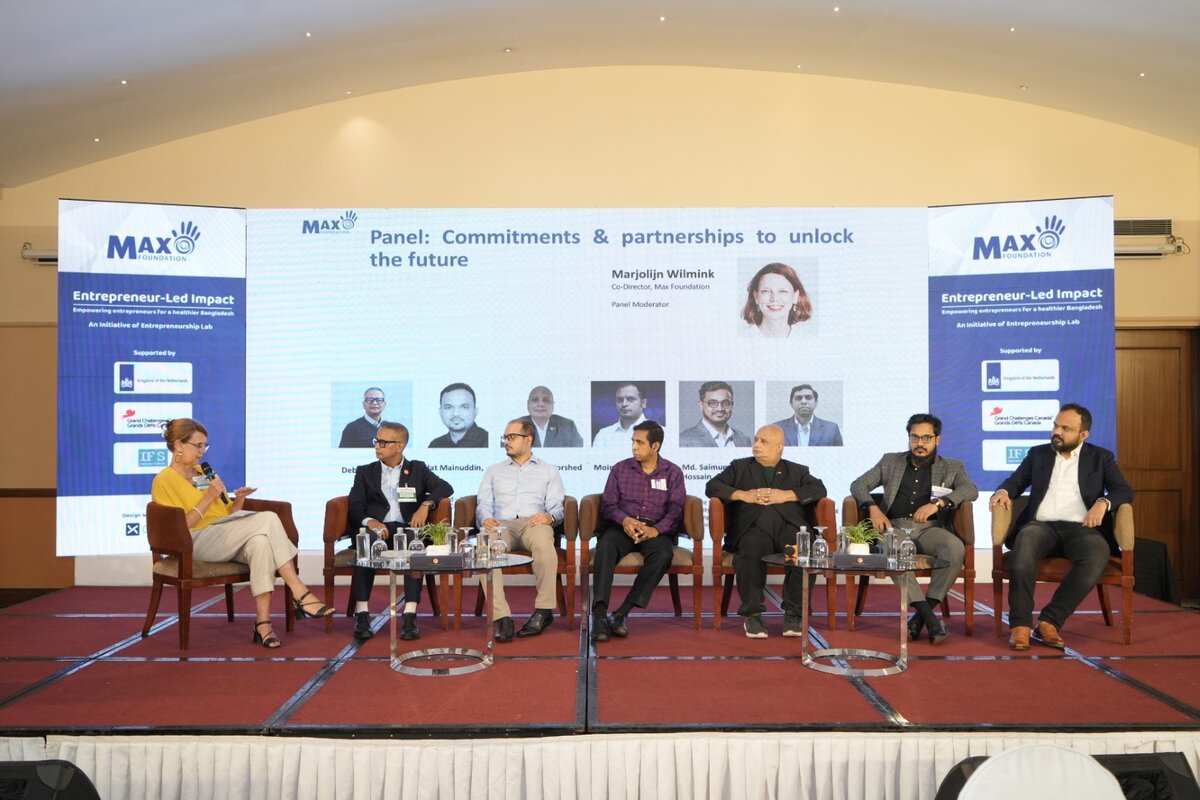
The Entrepreneurship Lab is more than just a testing center; it is a dynamic ecosystem designed to bridge the gap between a business idea and a tangible impact. Initiated by Max Foundation, this platform serves as a collaborative workspace and testing ground for a diverse range of entrepreneurs. Whether you are a Last mile entrepreneur—a local shopkeeper or community vendor serving the most remote populations—or a leader of a small, medium, or large-scale enterprise, the Lab offers you a space to grow.
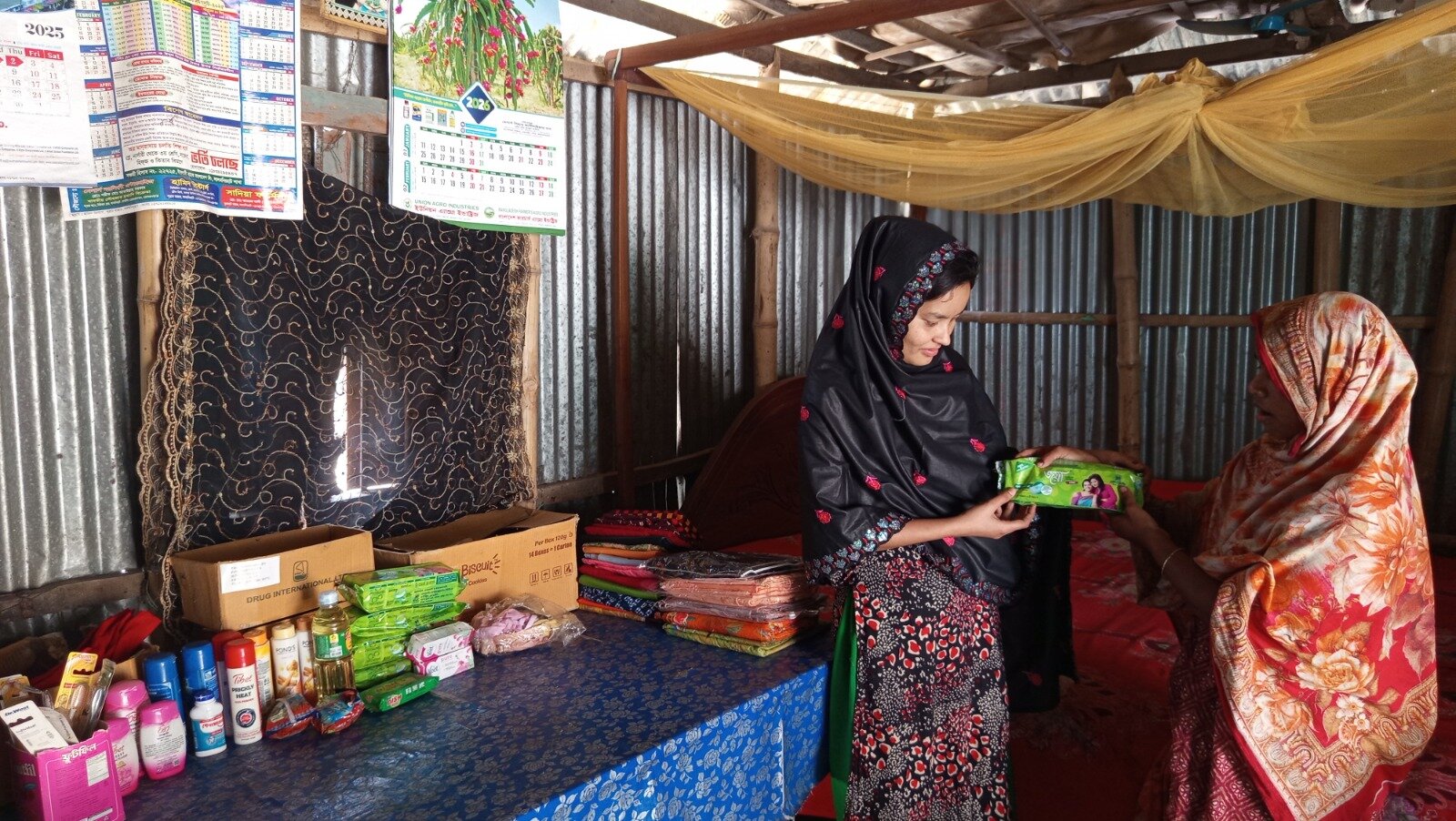
A Sandbox for Business Ideas
The core philosophy of the Lab is simple: Test, Learn, Connect and Grow. In the traditional business world, failure can be expensive. The Entrepreneurship Lab provides a "sandbox" environment where entrepreneurs can:
Test new ideas
Before investing significant capital, entrepreneurs can launch small-scale pilots of their products or services.
Analyse real result to learn
The Lab helps entrepreneurs move beyond gut feelings by teaching them how to interpret data from these tests. What worked? What didn't? Why?
Connect to peers or mentors
While interacting with collaborators, mentors or even learners, you connect a diverse group of actors in the market ecosystem. They will be your mates in the entire entrepreneurial journey.
Refine strategy
Based on the evidence gathered, entrepreneurs can fine-tune their business models, define their market strategy, and adjust their portfolios to better serve their customers and scale up.
The Power of Peer-to-Peer Learning
Perhaps the most valuable resource in the Lab isn't a piece of equipment—it's the people. The Lab fosters a community where established business owners can sit side-by-side with budding last-mile vendors. This interaction creates a powerful learning loop:
- ✓ Discussing challenges: Entrepreneurs face common hurdles, from supply chain logistics to customer education, from business modelling to financing. The Lab provides a safe space to discuss these issues openly and brainstorm solutions collectively.
- ✓ Generating new ideas: A conversation between a large-scale manufacturer and a local shopkeeper can spark innovation. The manufacturer learns about ground-level realities, while the shopkeeper gains access to new product knowledge.
- ✓ Defining models together: By working collaboratively, the group helps each other define sustainable business models that are resilient and tailored to the local context.
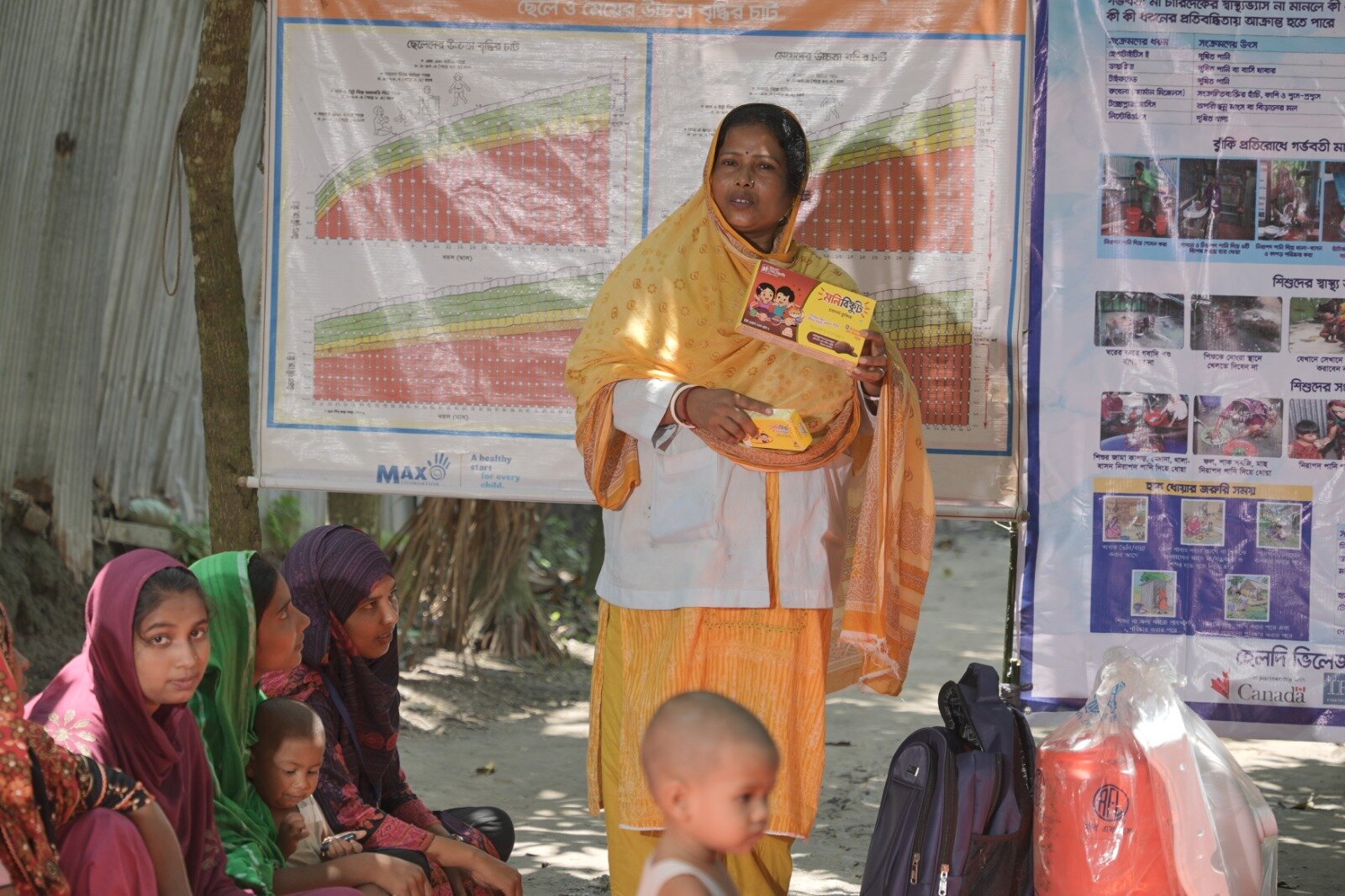
The Entrepreneurship Lab represents a shift from seeing business as a separate entity from social welfare, to viewing it as a vehicle for change. By supporting entrepreneurs at every level—from the local vendor to the large-scale producer—Max Foundation is building a robust, market-driven solution to some of Bangladesh's most persistent health challenges addressing Nutrition and WASH.
Dr. Tariqul Islam
Bangladesh Office Country Director, Max Foundation
Related Stories
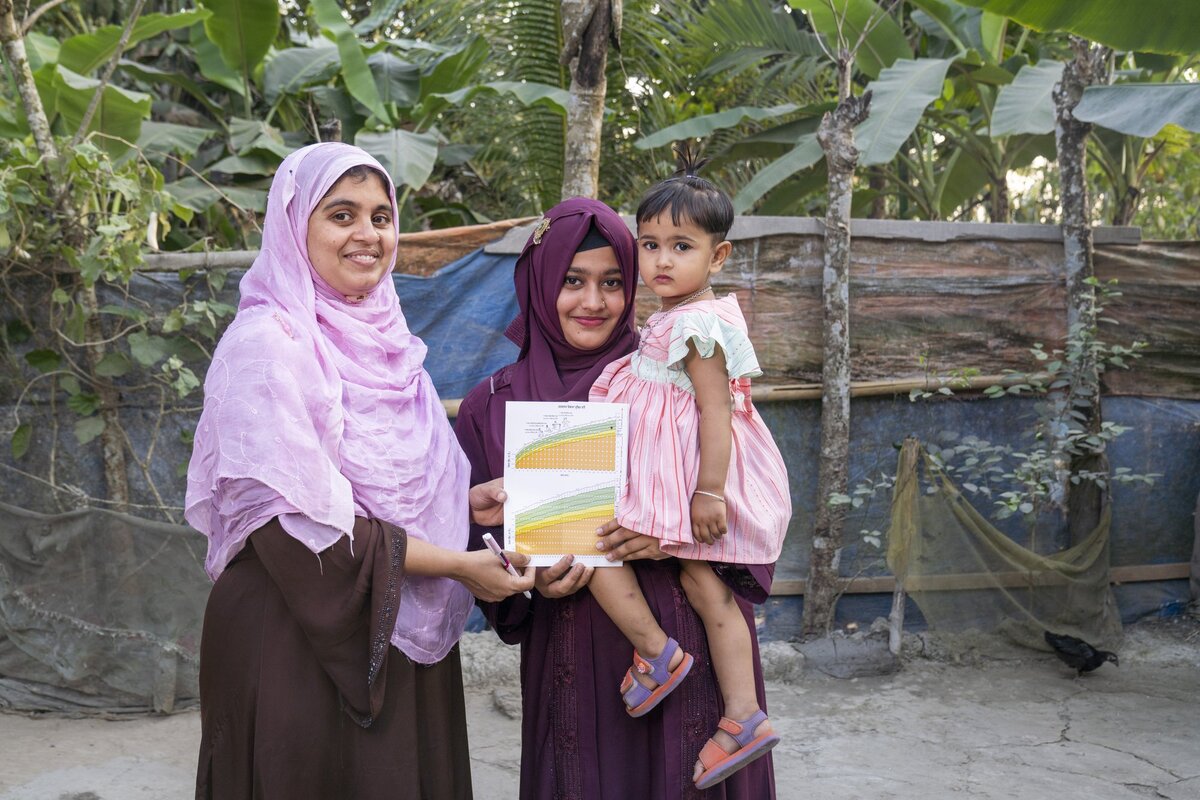
Institutionalising Innovations: Harnessing Public-Private Partnerships for Community-Based Nutrition Service Delivery
Max Foundation is working with the Institute of Public Health Nutrition (IPHN) to develop dedicated Community Nutrition Service Guidelines that anchor its market-based, entrepreneur-led delivery model in national standards.

Transforming Lives Through Safe Water: How MSE Is Powering a Rural Bangladeshi Dream
Access to safe and affordable water is not just a basic necessity, it is the foundation of health, dignity, and opportunity. In Bangladesh's rural and coastal regions, Max Social Enterprise (MSE) is working to turn hardship into hope.
How Max Foundation Works with the Private Sector to Impact Child Health
At Max Foundation, we exist to design, test and generate evidence around scalable solutions that improve child health — and the private sector plays a critical role in making that happen.